
Common Threads Publishing Presents:
The Land Of Milk And Honey
An Immigrant Tale Of Rags To Riches In America
The Land Of Milk And Honey is the long-overdue biography of one of America’s most successful immigrants. Joe Benvenuti was and remains a symbol of all you can achieve with grit, determination and a belief that anything is possible in America.

About the Author
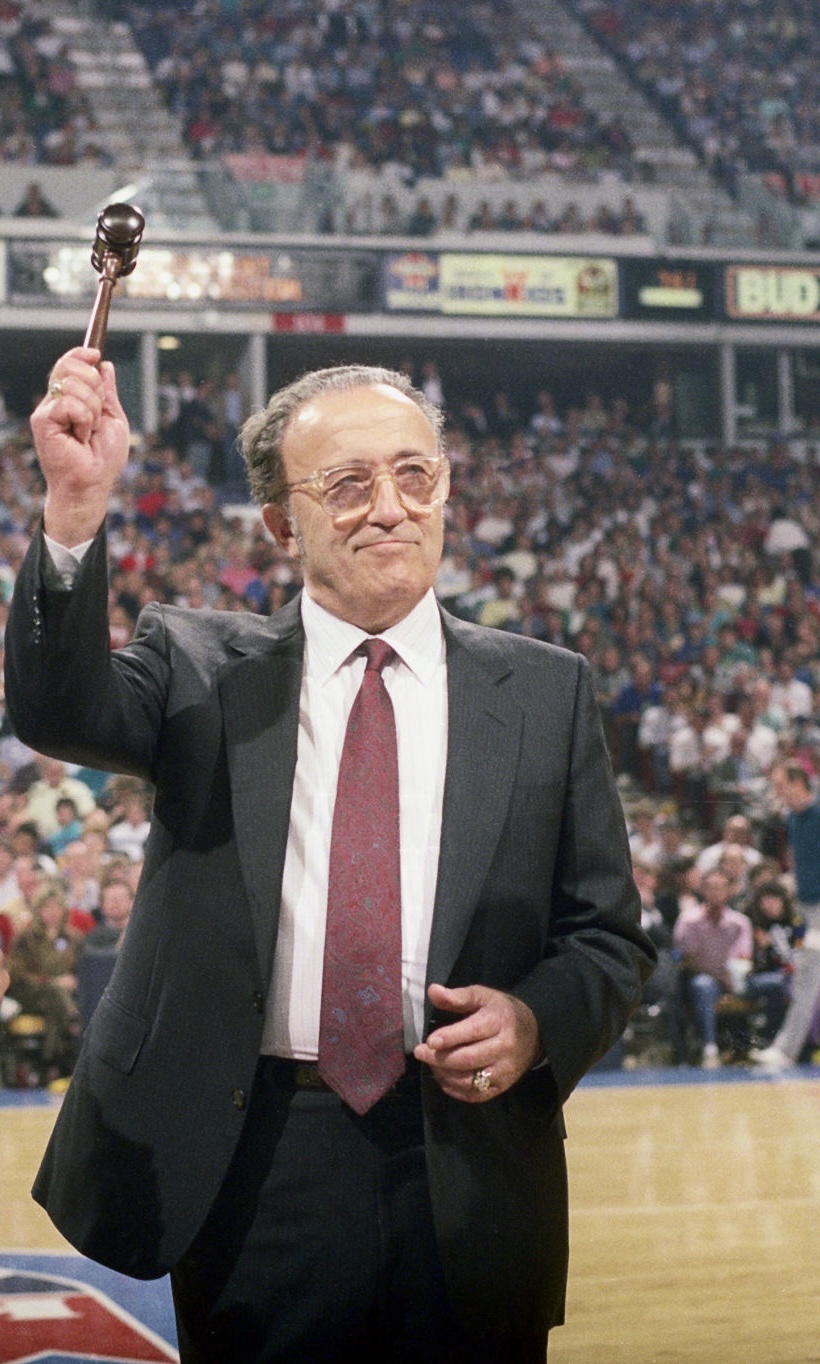
Deron R. Benvenuti
Deron R. Benvenuti is an American author and storyteller dedicated to preserving the powerful, often untold stories of immigrants in the United States. His work is deeply rooted in family history, resilience, and the belief that courage, perseverance, and hard work can transform even the humblest beginnings into extraordinary lives.
Inspired by the true story of his grandfather, The Land of Milk and Honey chronicles an Italian immigrant’s journey from poverty to prosperity in America, capturing the sacrifices, risks, and determination that defined a generation chasing the American Dream. Through meticulous research and heartfelt narrative, Benvenuti brings history to life while honoring the values of faith, family, and grit passed down through generations.
Benvenuti writes for readers who are drawn to real-life stories of struggle, survival, and triumph—especially those who see their own family histories reflected in the immigrant experience. When he isn’t writing, he is passionate about sharing stories that connect the past to the present, spending time with his family, and occasionally, golfing.
From Chapter 26: Dreamer and the Money Man
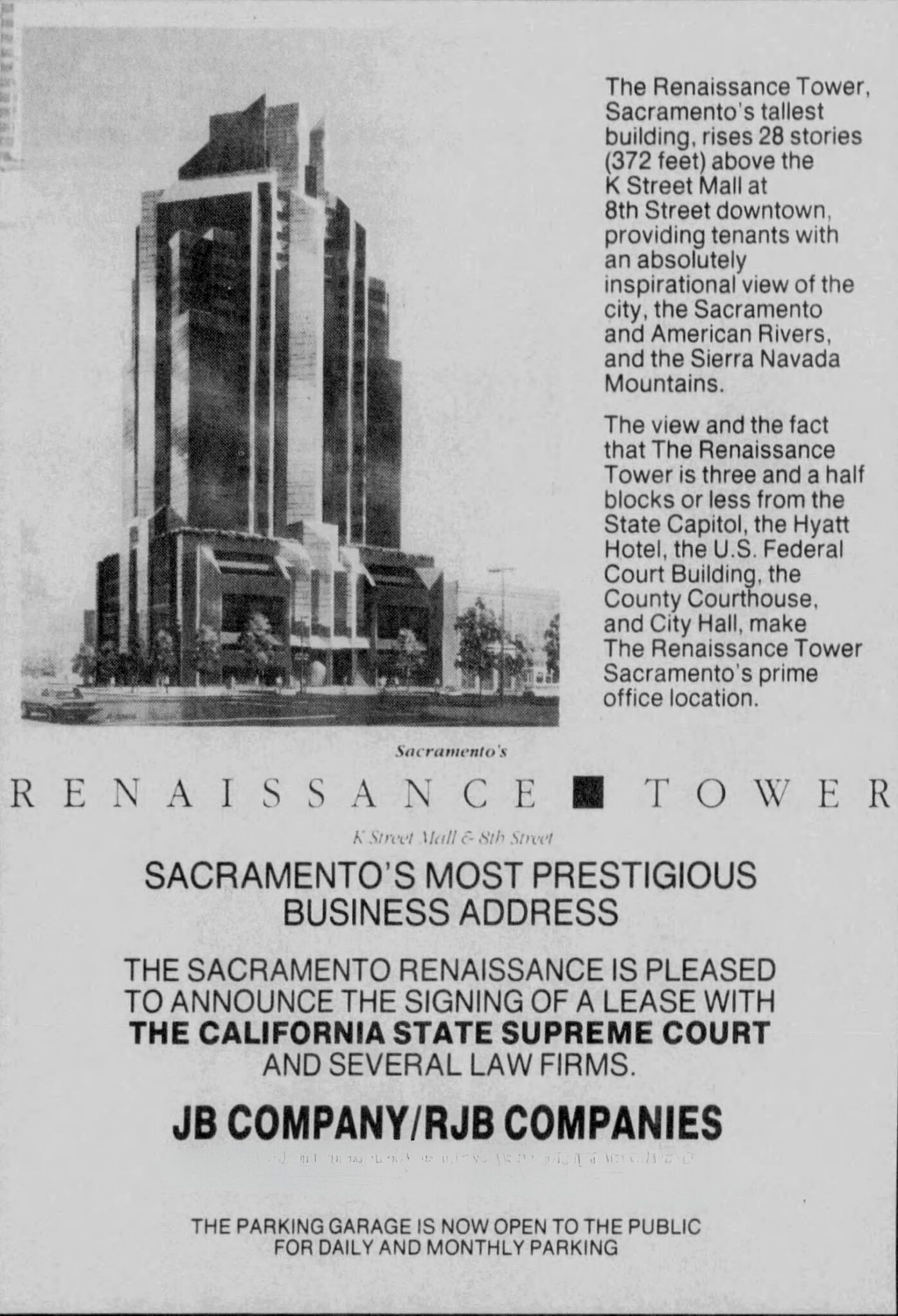
The design of Renaissance Tower, with its multifaceted bronze glass curtain wall, earned it the nickname among its critics and fans alike “the Darth Vader Building”.
Basketball aside, Benvenuti’s development activities remained his top priority throughout the 1980s, which included the building of several more high-profile projects Downtown. The 19-story Capitol Bank of Commerce building arose in 1984 and became known as “Emerald Tower” due to its sparkling green glass. It was the tallest modern high-rise to date of its kind in Sacramento. The Hyatt Hotel, in partnership with the City of Sacramento, was the first modern luxury high-rise hotel in Downtown. Arguably the most captivating and provocative of his office developments, however, was the Renaissance Tower.
Designed by the internationally acclaimed architectural firm of Daniel Mann Johnson Mendenhall, the Renaissance Tower, 28 stories tall, briefly held the top spot in the height category at its completion in 1989 on the site of the former Clunie Hotel at the corner of 8th and K Streets. In the late 1960s, under the direction of renowned architects Cesar Pelli and Anthony Lumsden, DMJM pioneered the glass membrane (skin) design system. By reversing the mullions (vertical elements that separate windows) inward rather than outward, the system enabled completely new ways of “wrapping” buildings in glass, creating smooth curtain walls.
DMJM introduced the system in the 1969 Century City Medical Plaza, though the best-known early California example is the undulating Roxbury Plaza/Manufacturers Bank building at 9701 Wilshire Boulevard in Beverly Hills. Other notable designs include One Park Plaza, the Federal Aviation Administration building in Hawthorne, and El Segundo’s Hyperion Wastewater Treatment Plant (1998). The look they pioneered was both daring and inspiring, yet it became ubiquitous within a few short years. The designers and engineers at DMJM distinguished the firm by challenging the conventions of building exteriors often found in office and industrial buildings. In 1974, the architecture critic Reyner Banham wrote, “The best and worst of current office-architecture are going up simultaneously, with most of the best coming from the offices of Craig Ellwood and of Daniel, Mann, Johnson and Mendenhall.” Excerpted from Los Angeles Conservancy https://www.laconservancy.org/architects/dmjm
The design of Renaissance Tower, with its multifaceted bronze glass curtain wall, earned it the nickname among its critics and fans alike “the Darth Vader Building”. Darth Vader would be the both the first modern skyscraper in Sacramento to feature the curtain wall design, and the last privately financed high-rise building of its era in Sacramento. Afterwards, the City began a program of offering significant subsidies to high-rise developers in order to further its ambitions of creating that “world class city” it always envisioned.
“I built the highest building in Sacramento,” recalled Benvenuti. “The City wanted high-rise buildings. I had bought the corner of 8th & K. I brought the plans and they approved ‘em right away, they wanted it. They gave me no help, I built it with my own money, and after me, they gave all the high-rise developers subsidies to build theirs. They didn’t give me a dime. The papers made fun of it, they called it the Darth Vader. In the sun, it changes color. It’s green, reddish, brownish, with different glass, it’s all glass; and as the sun turns, it goes different shades it’s a beautiful building. I’ve never seen a paper or magazine in Sacramento that didn’t feature it as a landmark even to this day.”
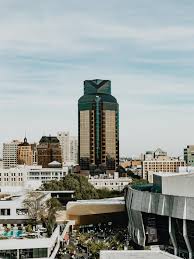
In the sun, it changes color. It’s green, reddish, brownish, with different glass, it’s all glass; and as the sun turns, it goes different shades it’s a beautiful building. I’ve never seen a paper or magazine in Sacramento that didn’t feature it as a landmark even to this day.”
Joseph "Joe" Benvenuti Tweet